2000
Menu
Long considered an impediment to flood flows, the sediments transported by watercourses are now identified as an essential factor in preserving and restoring the river’s hydromorphological and ecological balance. Consequently, this bedload transport is an essential contributor to achieving good ecological status in watercourses.
Reservoirs subject to significant sedimentation may require sediment flushing and dredging or removal of sediments.
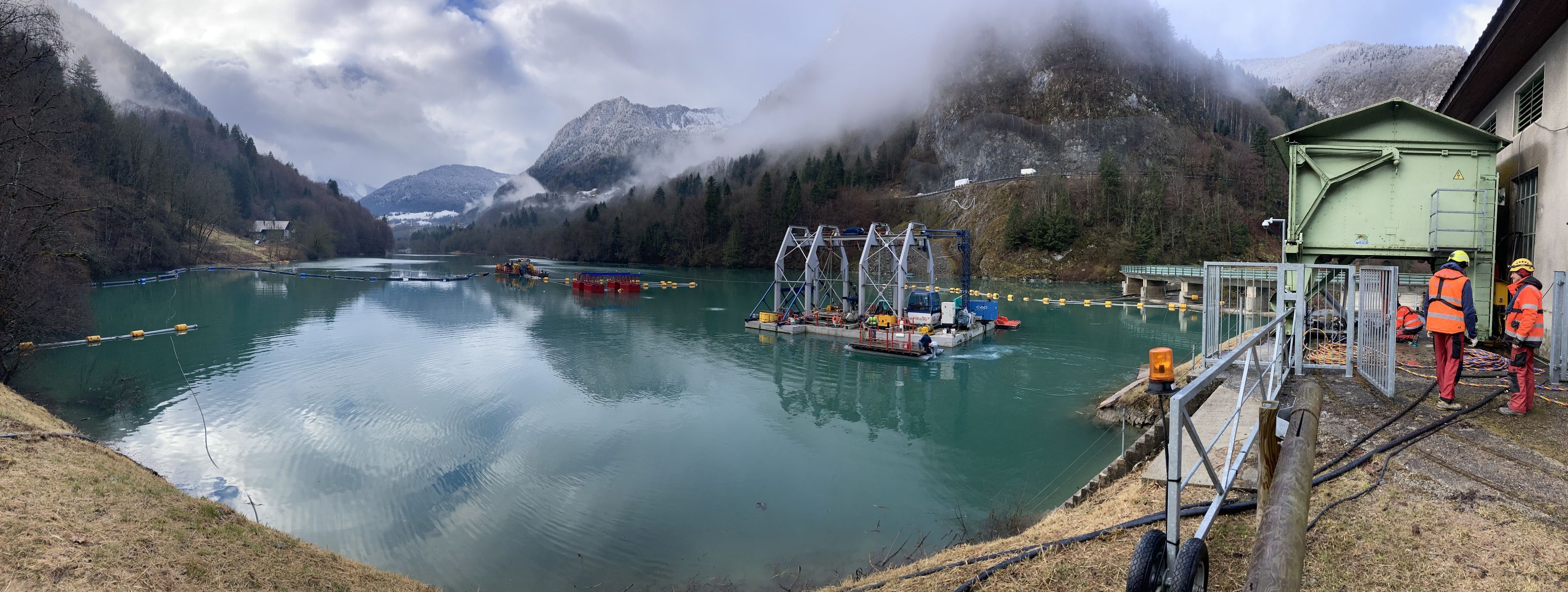
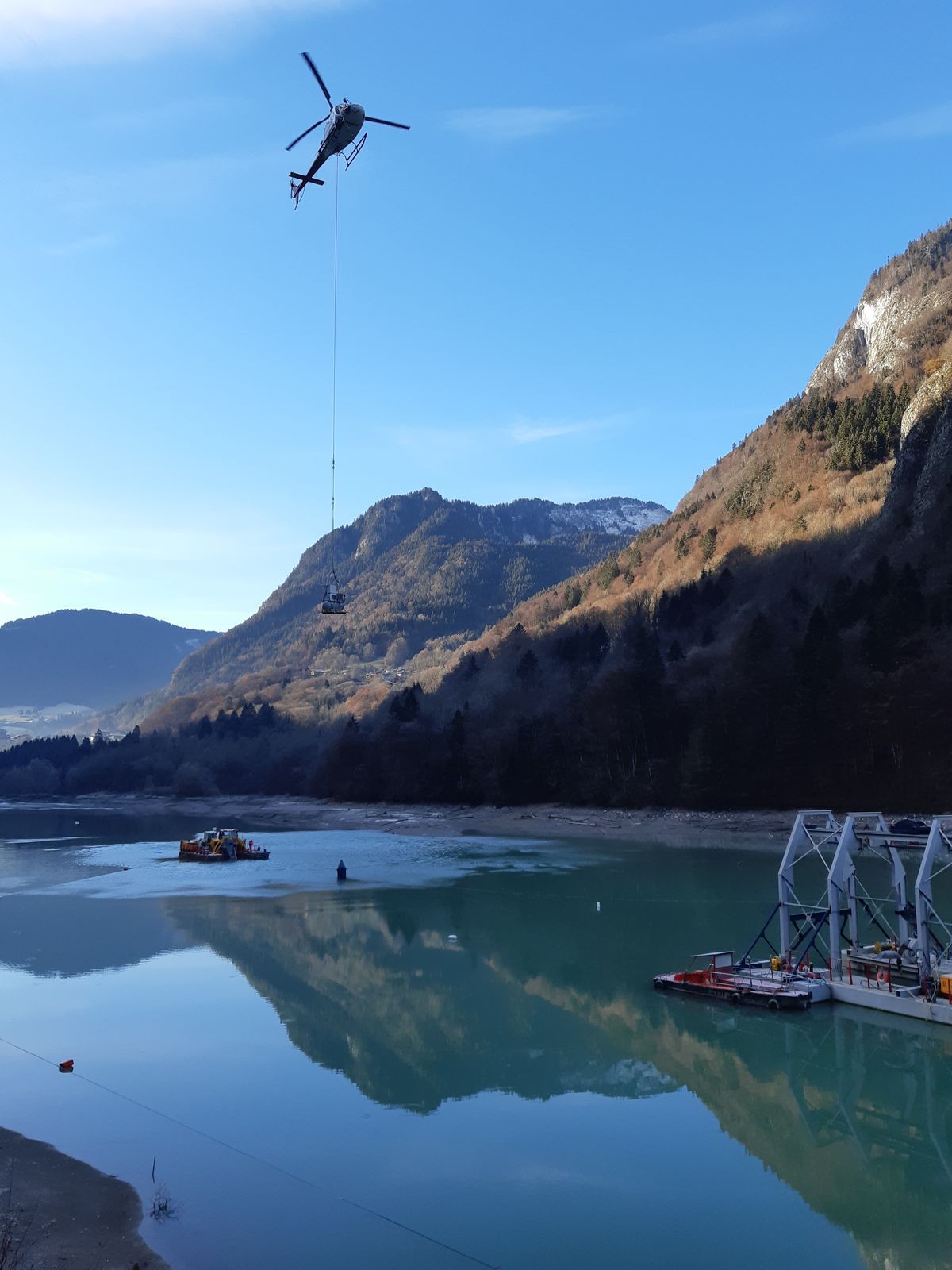
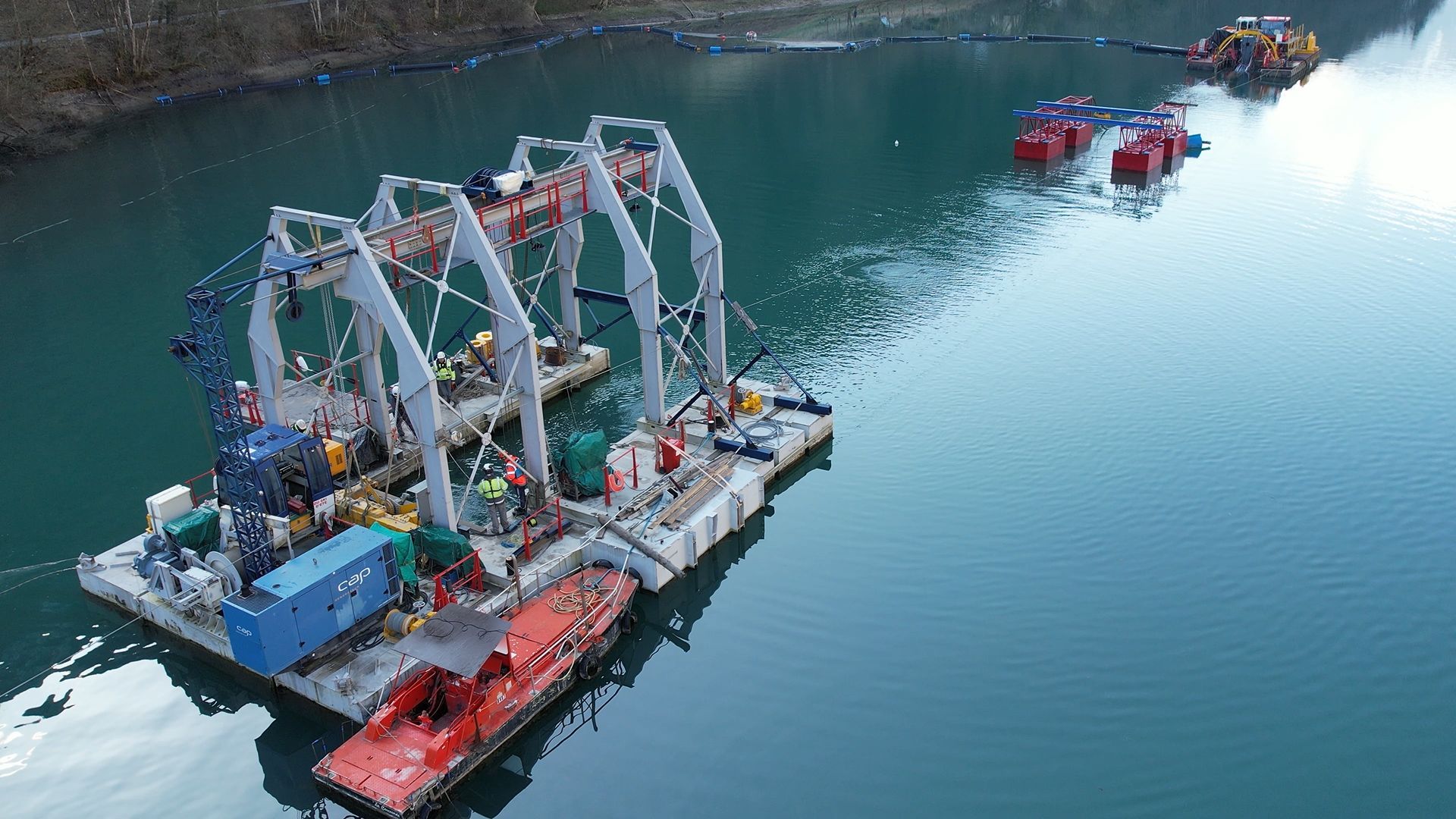


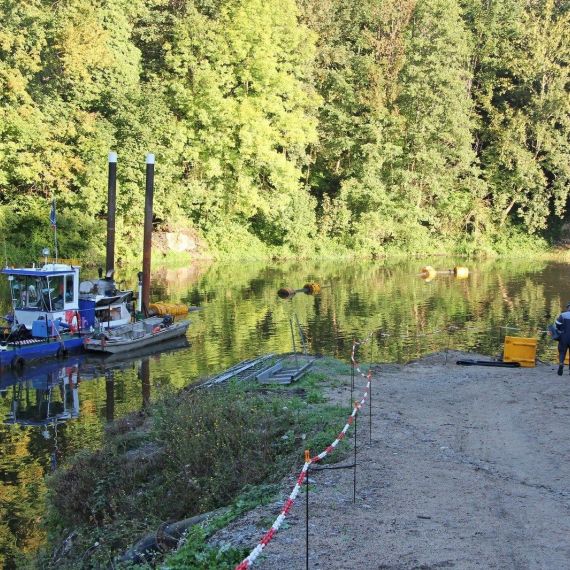
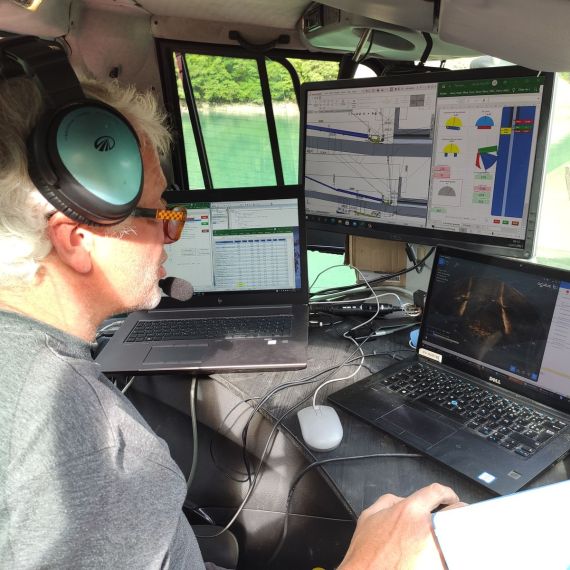
Hydrostadium manages the entire project execution of dredging operations:
If “in-river management” is not feasible, Hydrostadium assists project owners in identifying potential land-based management routes for sediments : use in road or landscaping projects, recovery through sorting facilities, use in quarry reclamation, agricultural spreading, cement production, or permanent storage.
Access the details of a project by selecting a point on the map.
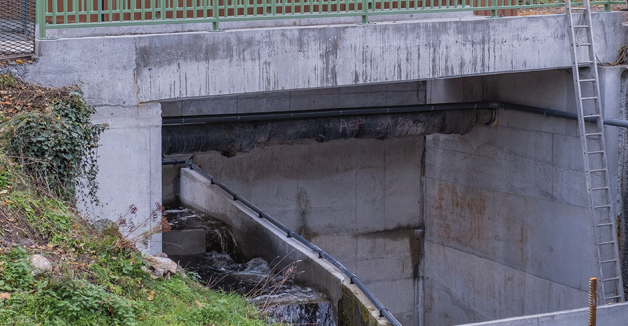
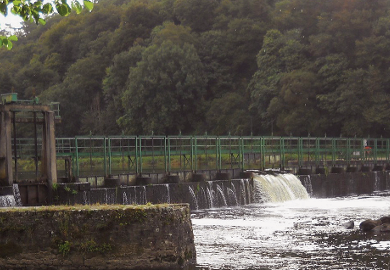
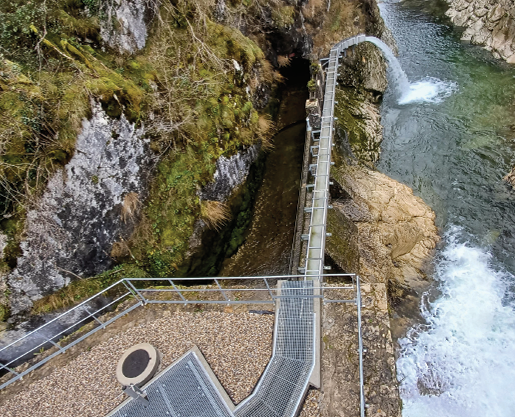
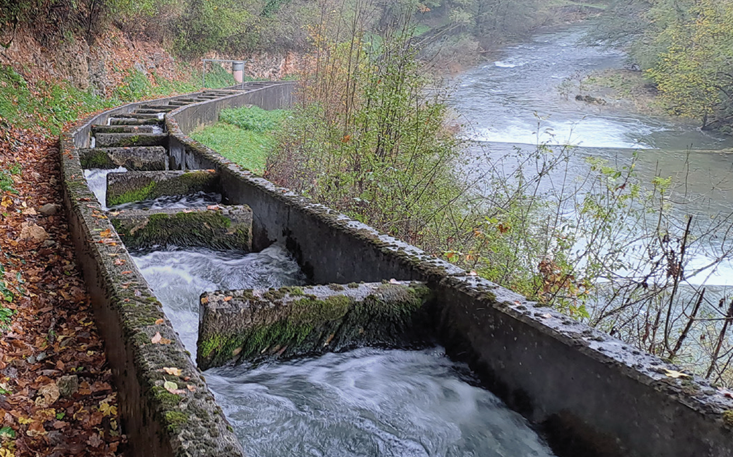
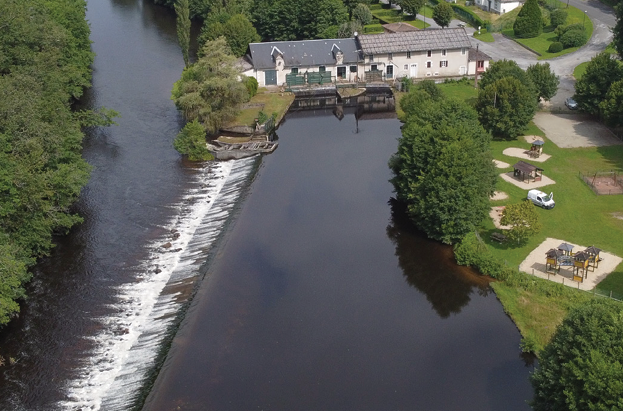
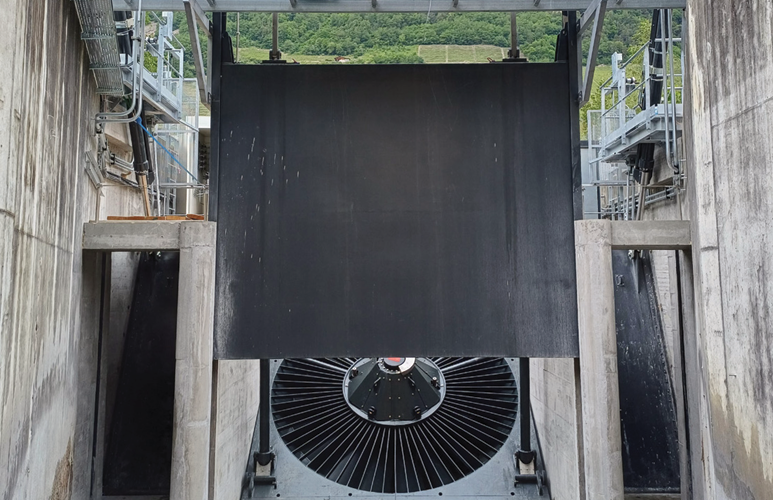
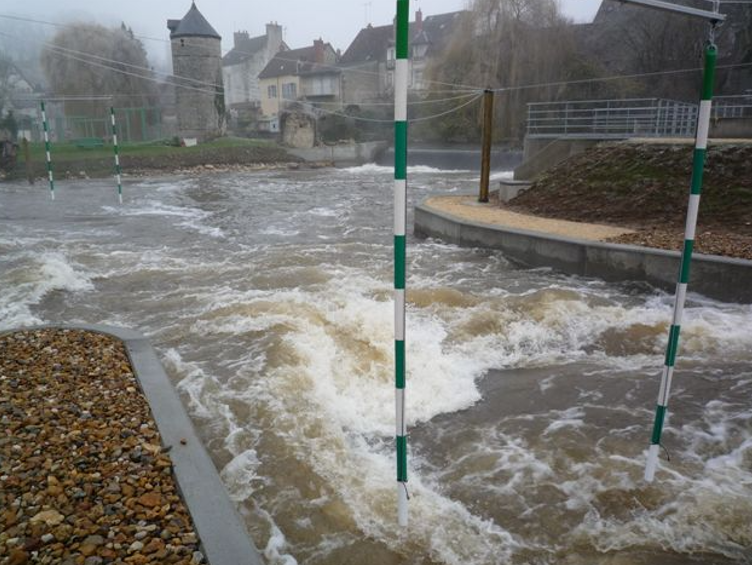

In 2015, during a flushing operation, debris (mainly trunks, stumps and sediment) formed a blockage in the middle of the Jotty outlet tunnel, 20 metres below the reservoir level. Main technical...
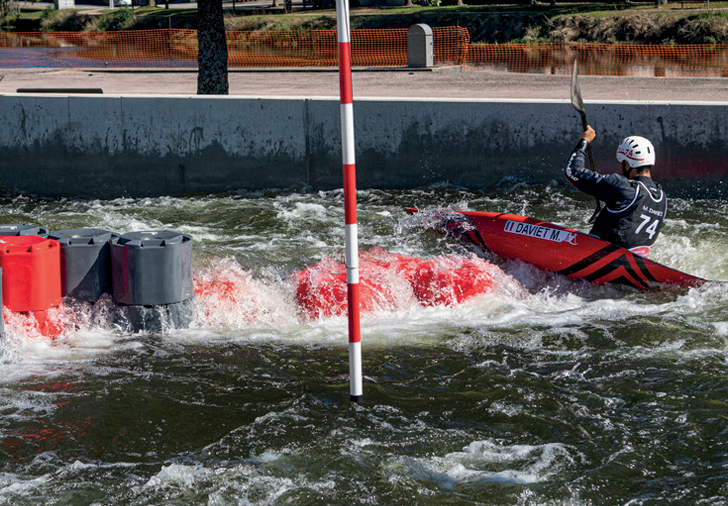
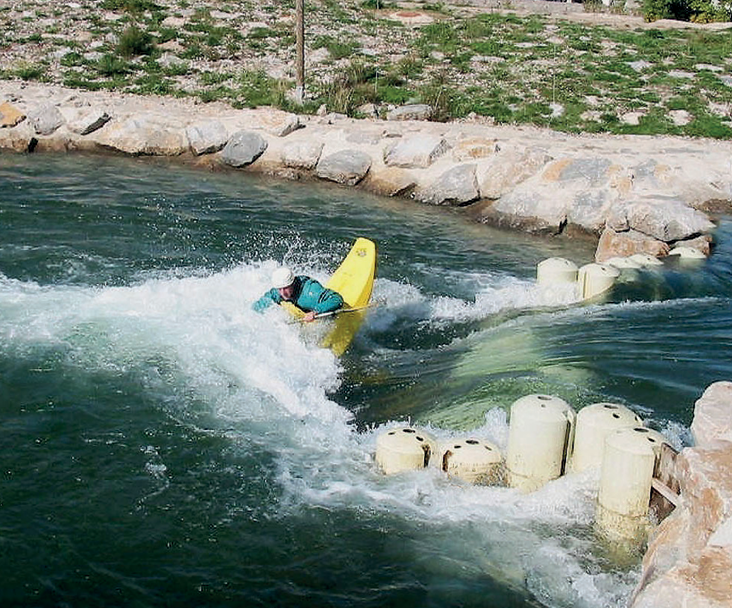
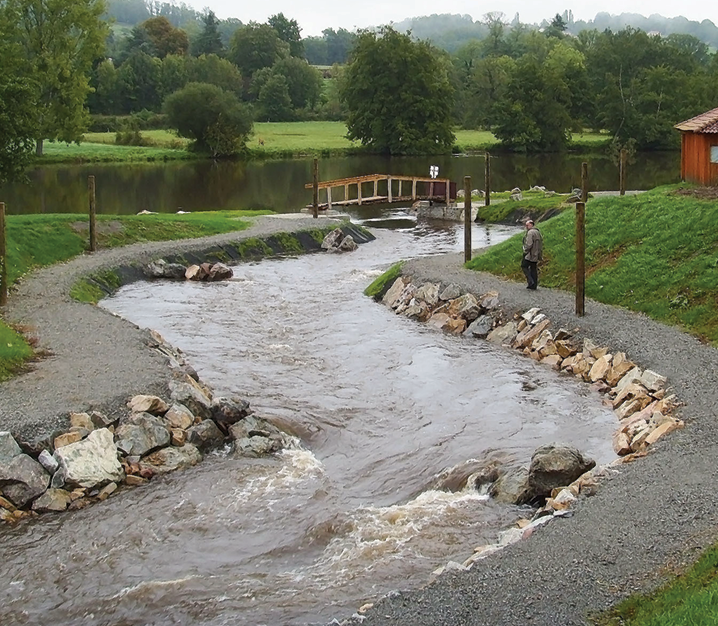
Épinal Whitewater Stadium is a unique project extending over a 200 m-long and 10 m-wide course, suitable both for learning canoeing and kayaking and for hosting national and...
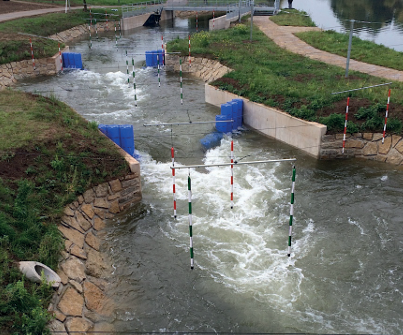
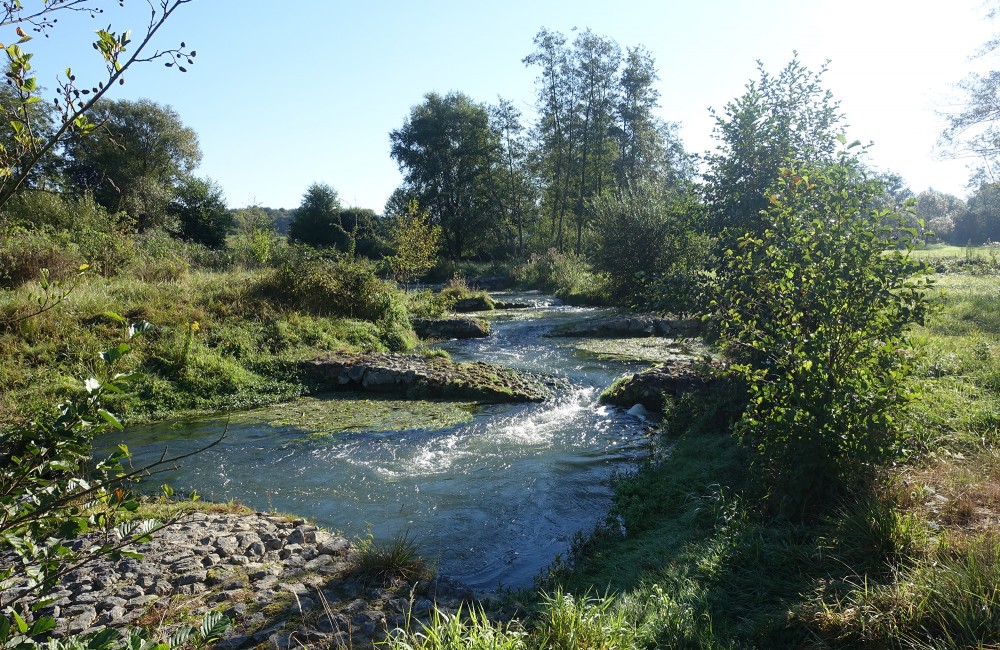
The Diekirch whitewater course is a bypass river supplied by diverting the natural flows of the Sûre. It enables the restoration of free fish passage between downstream and upstream of the...

Main technical features Pumping-dilution using a slurry pump with a dilution head and divers (2,400 m3); dry mechanical dredging (6,000 m3 of sediment); manual and mechanized dredging...

Dredging and physicochemical treatment of the 50,000 m3 of sediment from the reservoir. Main technical features Hydraulic and mechanical dredging using a floating excavator and a long-reach...

Dredging of 50,000 m3 of sediment following the June 2013 flood Main technical features Hydraulic and mechanical dredging using a dragline; hydraulic dredging using a suction dredger; spud...
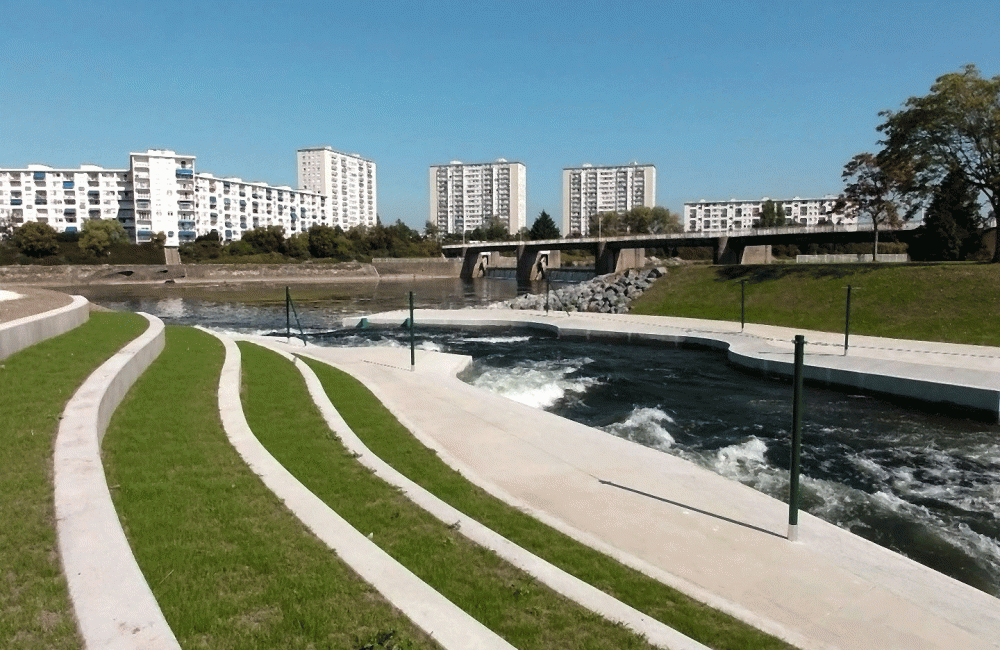
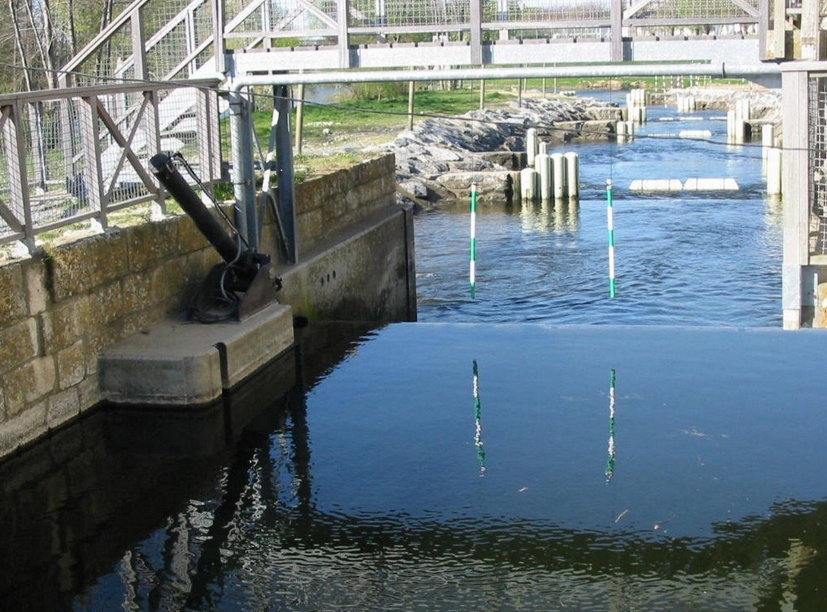
The bypass river enables fish passage around the Petit and Grand Rochepinard weirs on the Cher, while also providing facilities for recreational and sports whitewater activities. It is located on...