1992

Menu
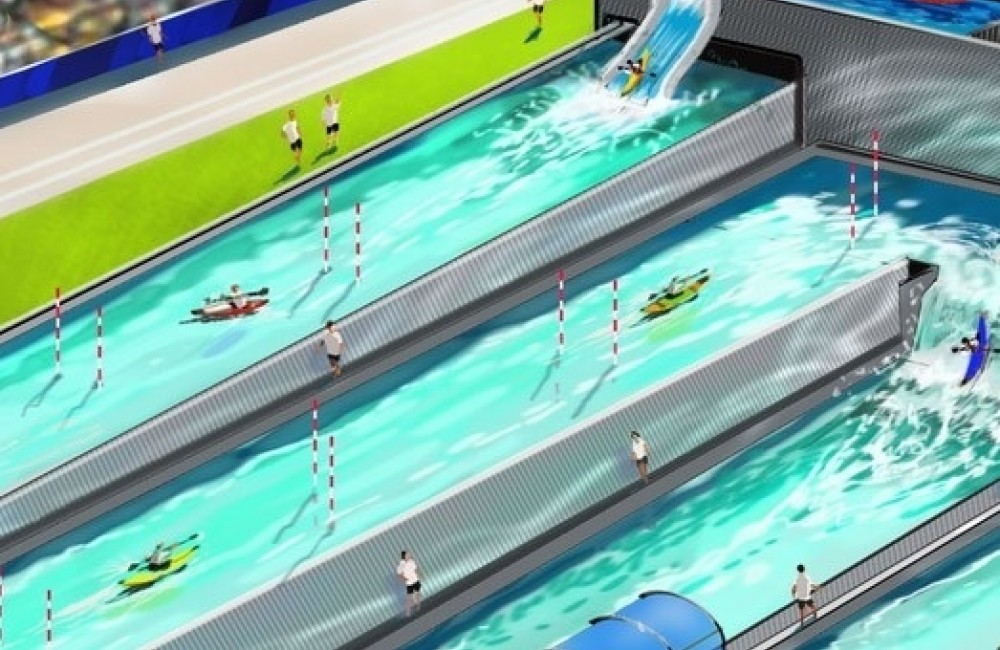
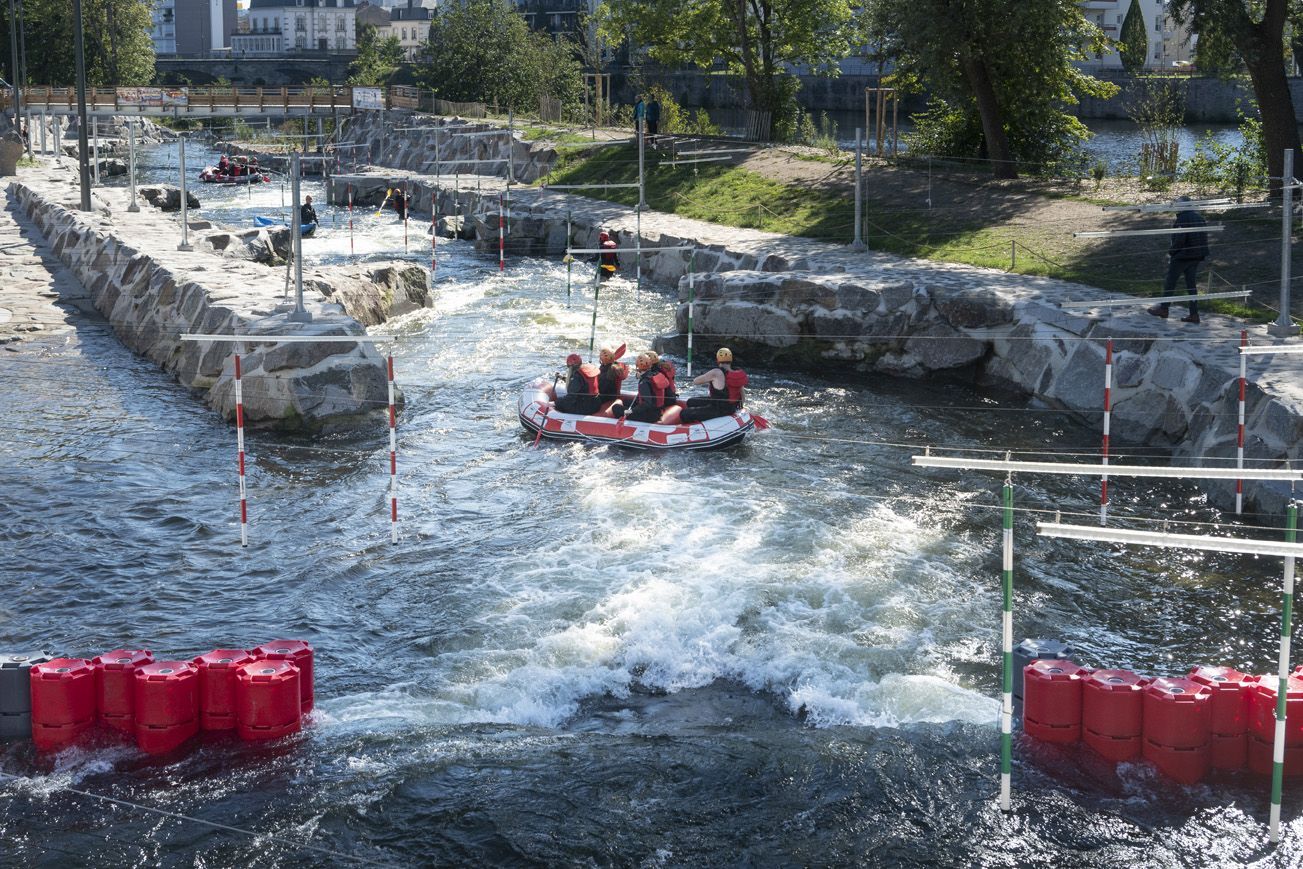
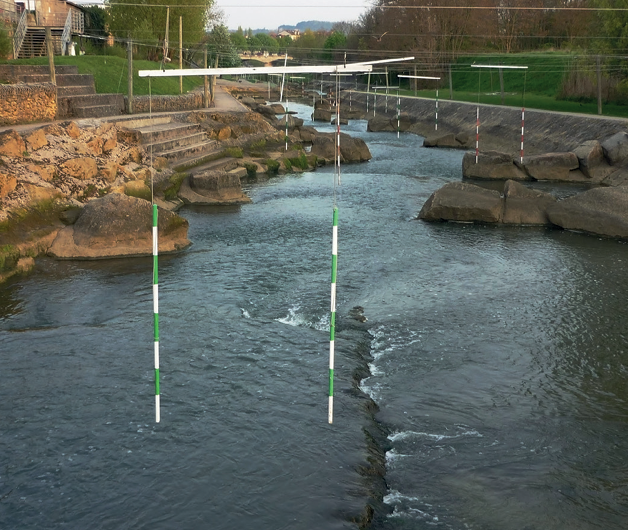
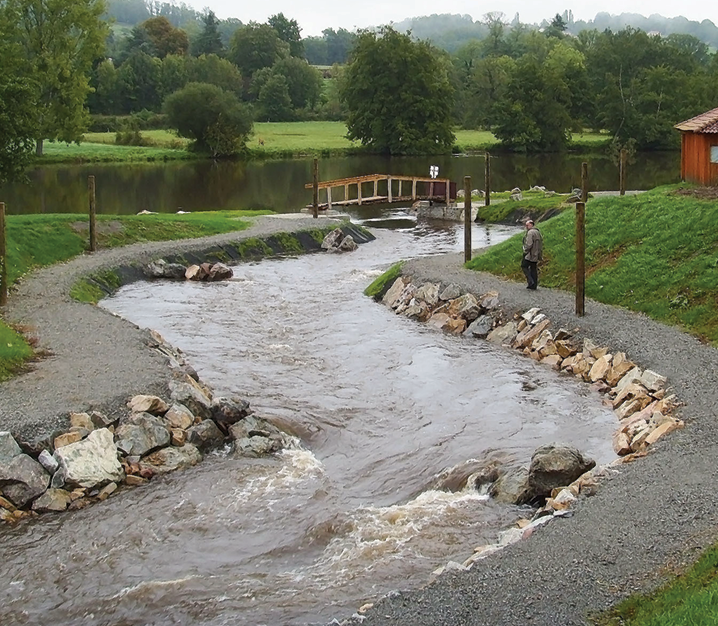
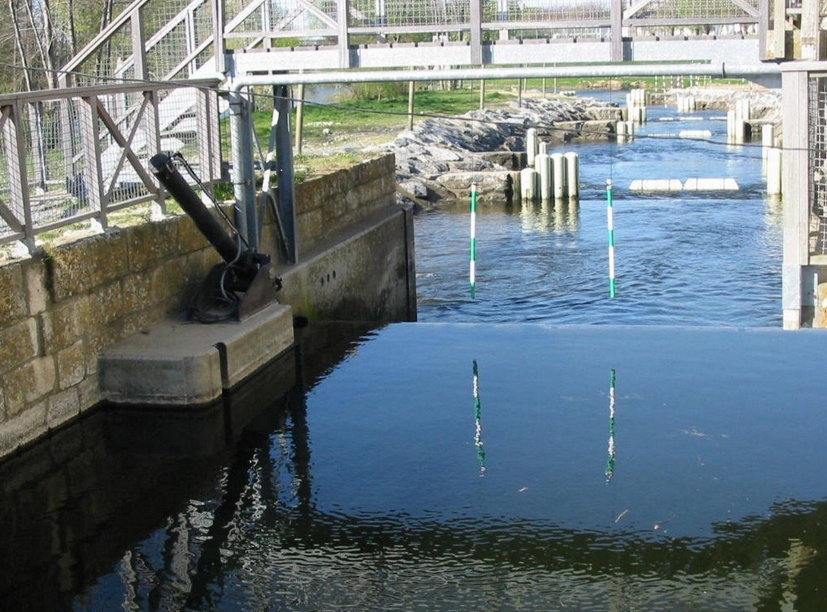
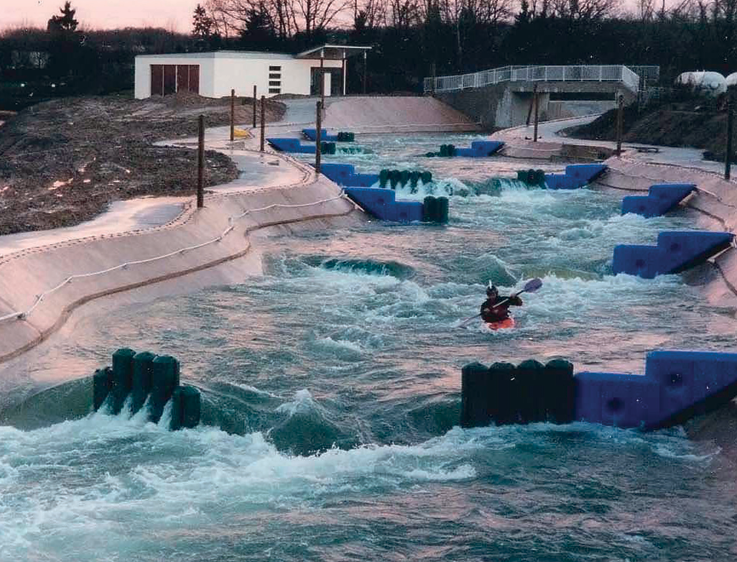
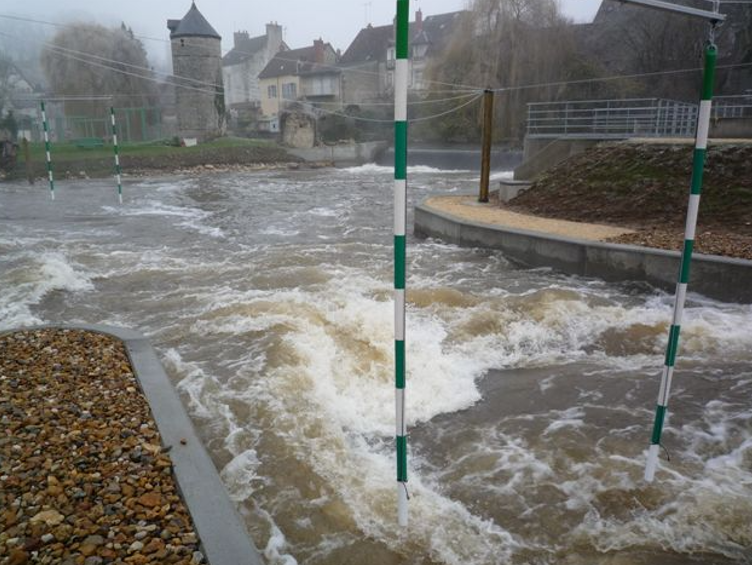
A whitewater stadium is a facility that enables whitewater sports (canoeing, kayaking, whitewater swimming, rafting, tubing, hot-dogging…) to be practised in an organised and safe environment. This type of development supports the growth of outdoor sports in urban areas. As a genuine attraction, it brings the freshness of whitewater to the heart of cities.
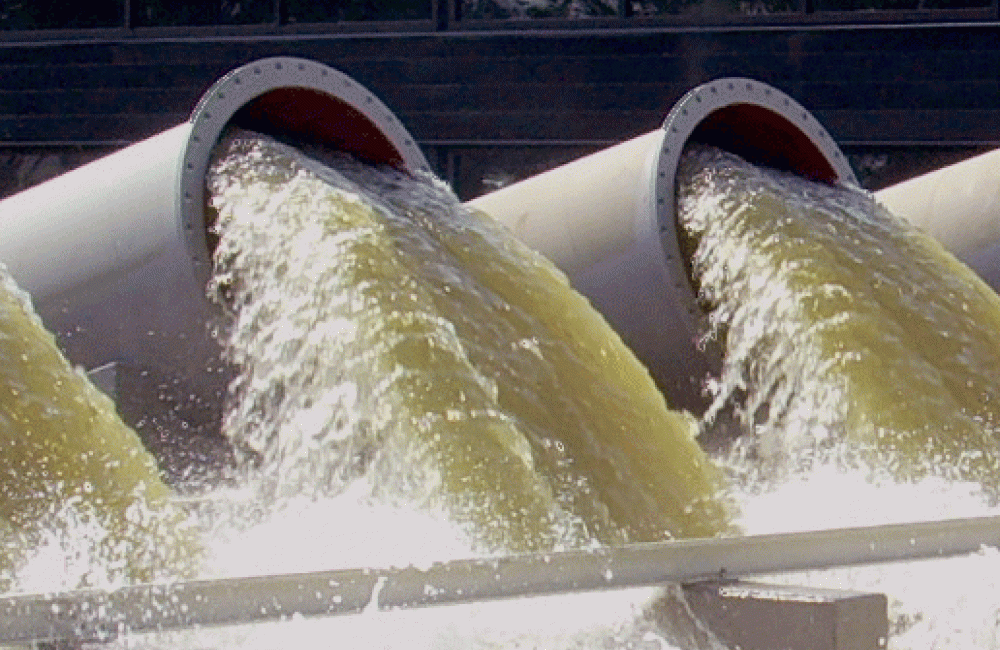
There are different ways of creating a whitewater stadium depending on the resources available at the site. The location chosen for the construction of Athens’ Olympic whitewater stadium provides an extreme example of this. Indeed, located in the heart of Athens, on the site of the former Hellinikon International Airport, this whitewater stadium is supplied with seawater pumped from 3 kilometres upstream. Each site therefore has its own solution. However, projects on this scale are exceptional.


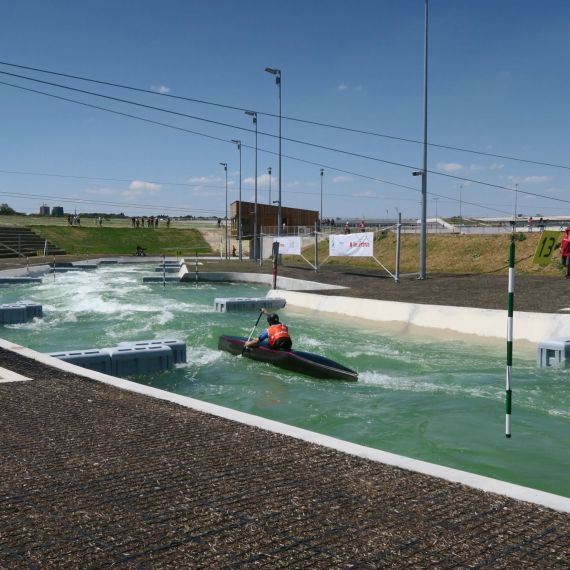
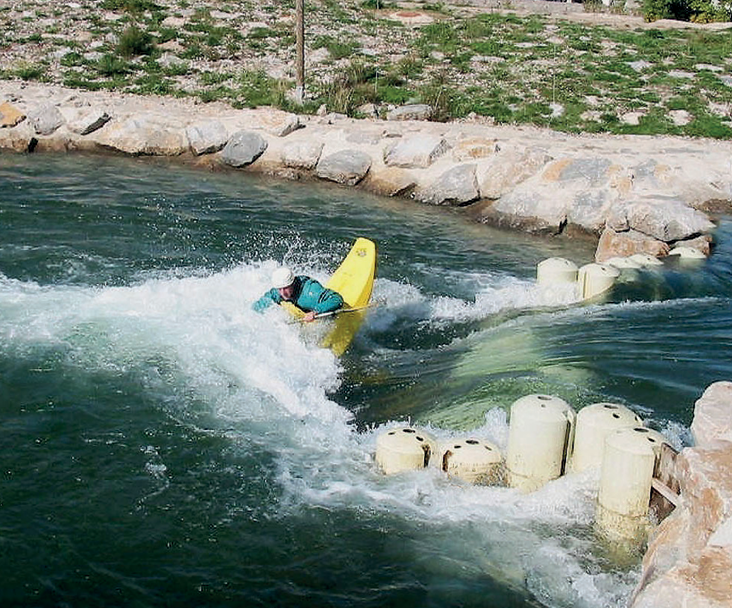
Each of these parameters may occur naturally at a given site or, conversely, may be created artificially:
Access the details of a project by selecting a point on the map.
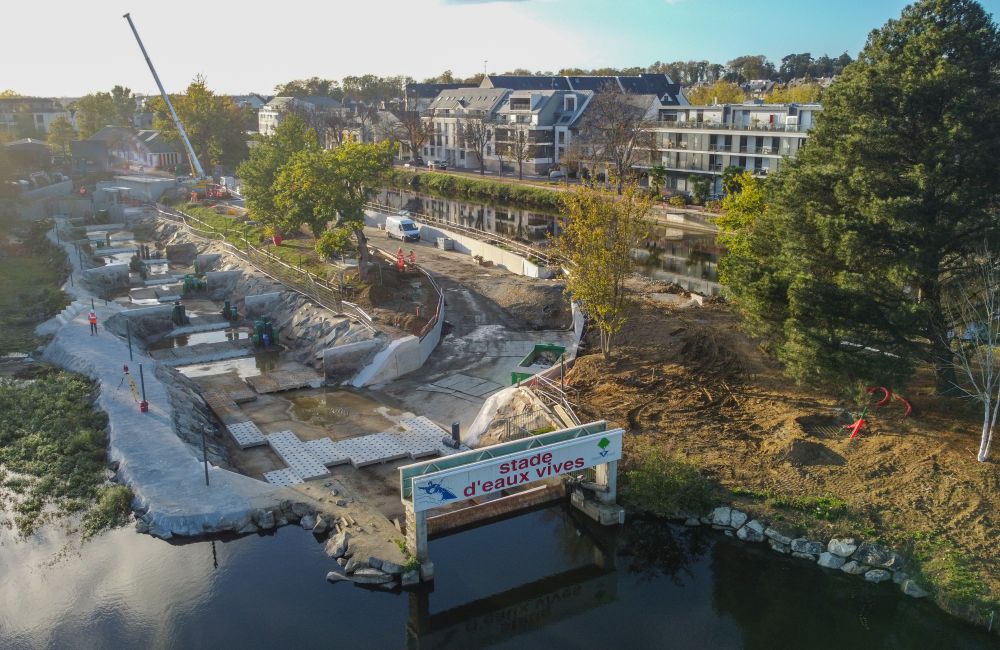
The Cesson-Sévigné whitewater stadium was built in 1997 by EDF on a discharge channel of the Vilaine River. The ageing facility required rehabilitation works to bring it up to the...
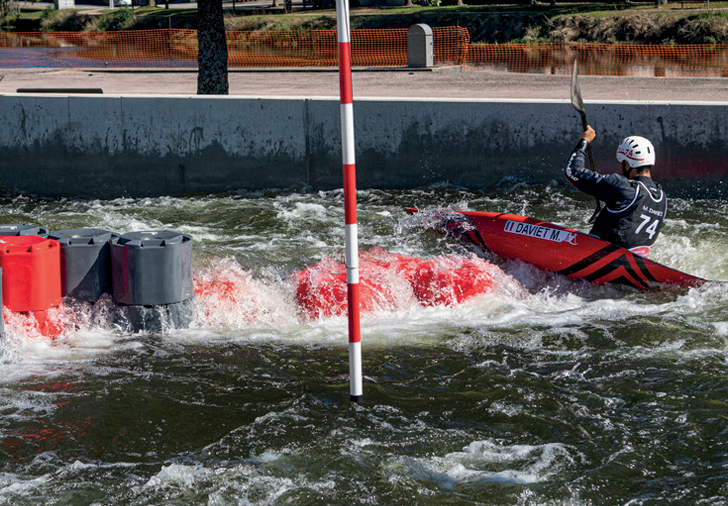
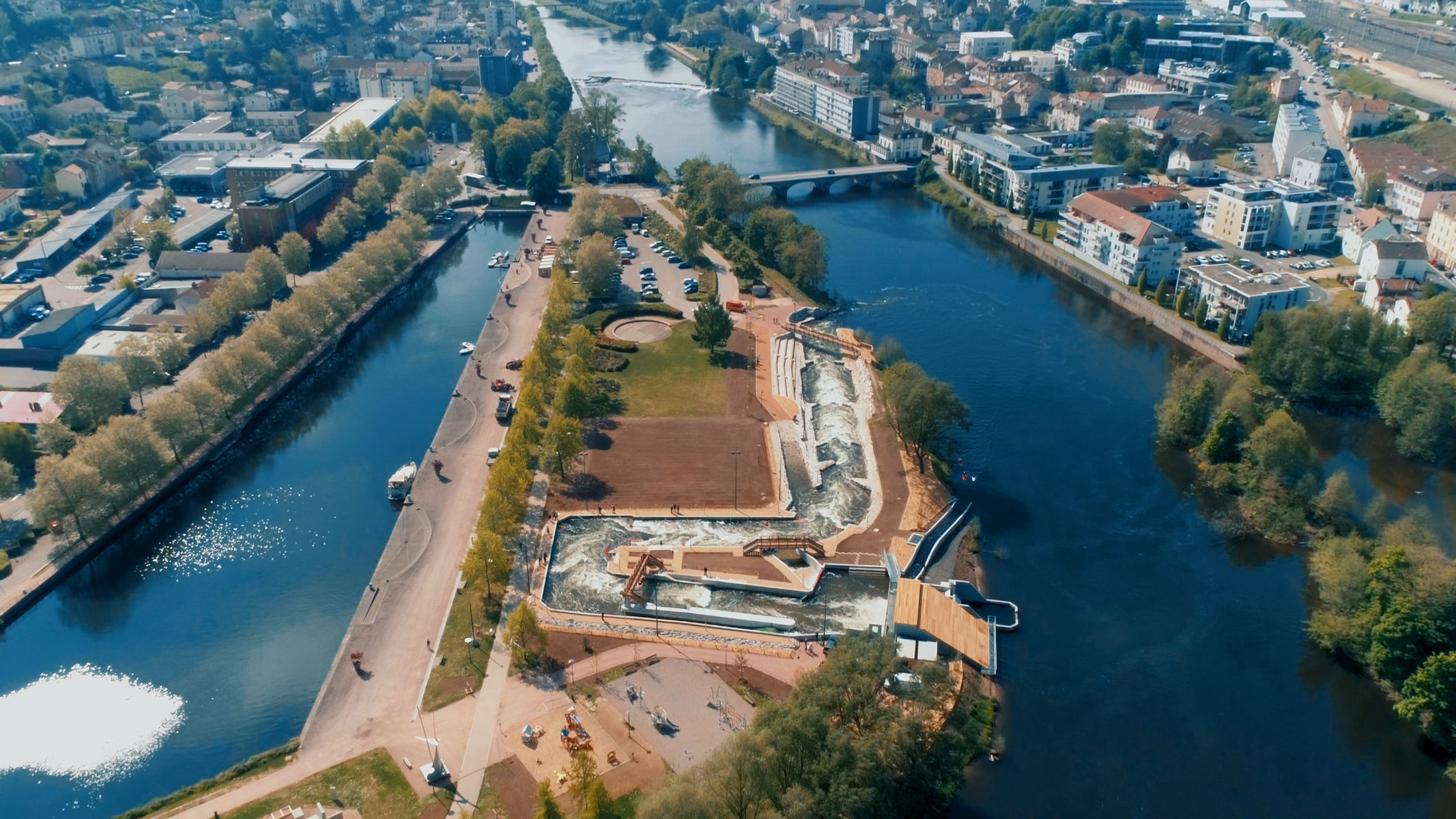
Épinal Whitewater Stadium is a unique project extending over a 200 m-long and 10 m-wide course, suitable both for learning canoeing and kayaking and for hosting national and...

The Vaires-sur-Marne water sports stadium is a world-class sports facility and a host venue for the Paris 2024 Olympic Games. Hydrostadium provided project owner assistance to the...
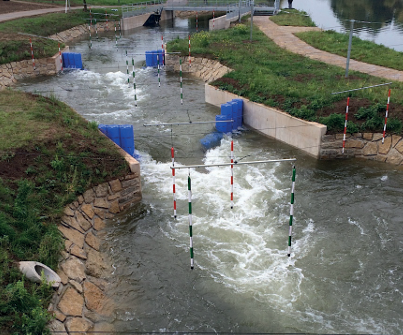
The Diekirch whitewater course is a bypass river supplied by diverting the natural flows of the Sûre. It enables the restoration of free fish passage between downstream and upstream of the...

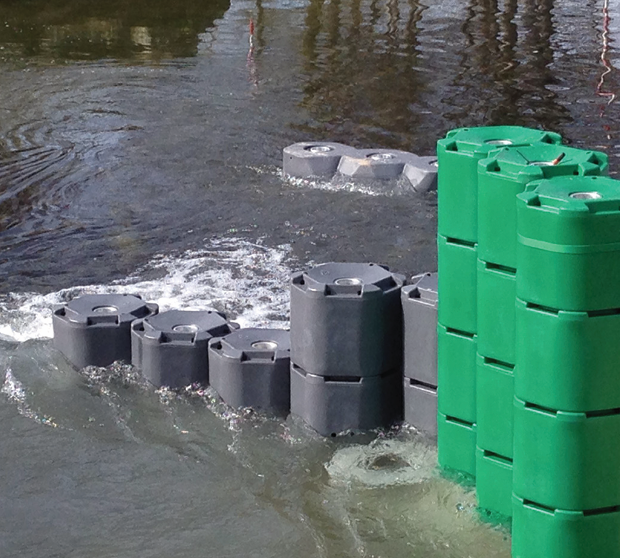
It was in Auckland that HYDROSTADIUM supplied the Omniflots® movable obstacles for New Zealand’s first whitewater stadium. Comprising two courses and supplied by a pumping station, it...

The Sainte-Suzanne intermunicipal whitewater stadium is the only artificial river in the Indian Ocean. Located on the Bocage water body, between land and sea, the river has been designed with a...
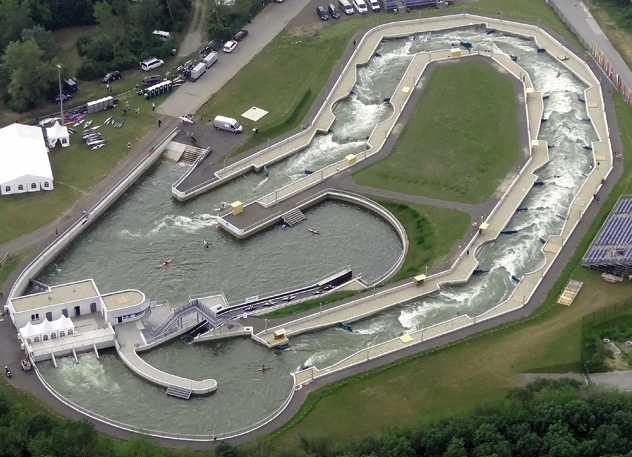
Its geographical location is in the immediate vicinity of the centre of Vienna, the capital of Austria. This international-standard whitewater stadium is a benchmark.
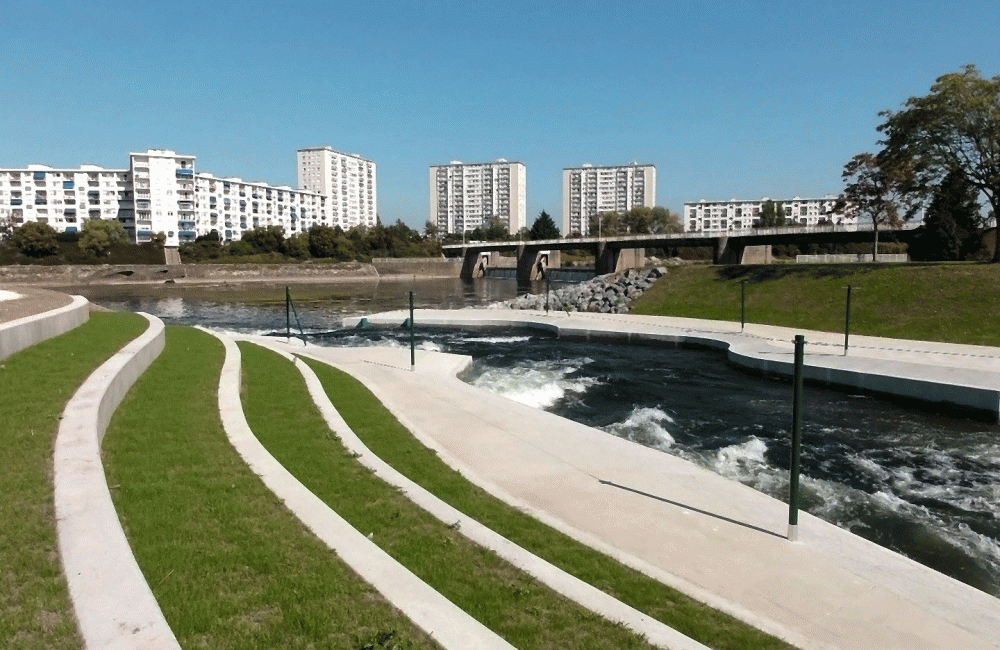
The bypass river enables fish passage around the Petit and Grand Rochepinard weirs on the Cher, while also providing facilities for recreational and sports whitewater activities. It is located on...
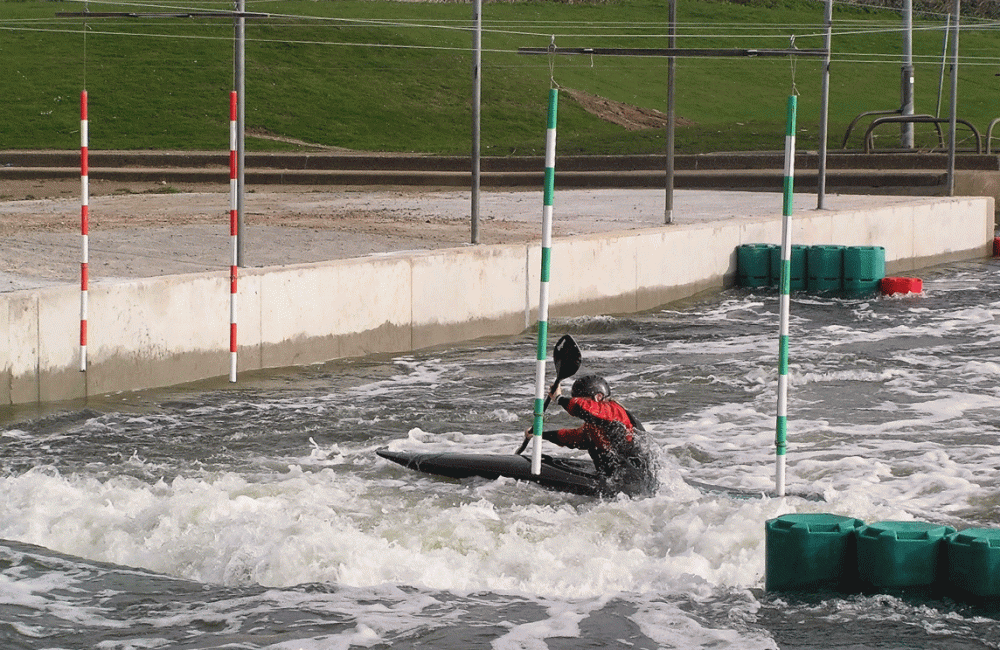
The Nottingham whitewater course is more than thirty years old. The English Canoeing Federation wished to optimise this course through a better distribution of gradients and the installation of...
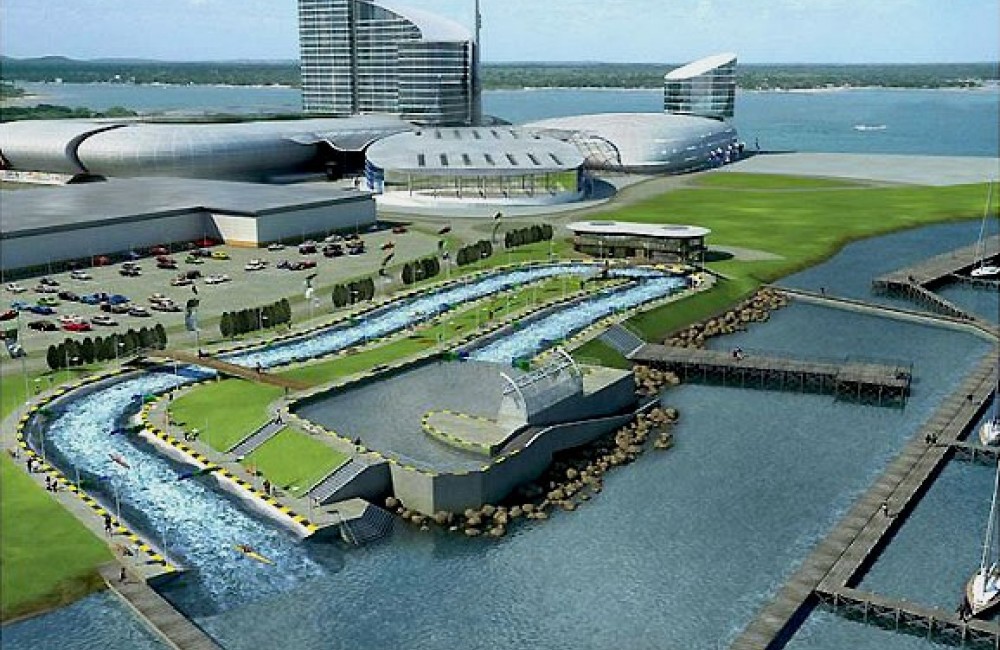
The construction of Cardiff’s whitewater stadium was decided by the Welsh Government Assembly in 2008. A whitewater stadium that optimises the use of land between land and sea.
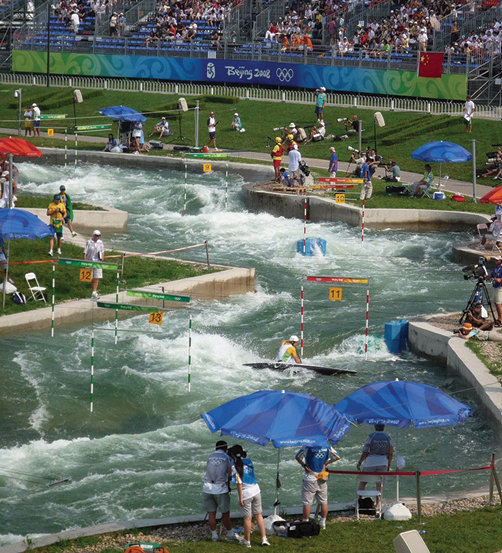
All the aquatic facilities are located on the east bank of the Chaobai River. They include a flatwater course for sprint canoeing and kayaking and rowing, as well as a whitewater course for canoe...

At the site of the former Elliniko International Airport, the Athens whitewater stadium uses an artificial lake filled with seawater. Thanks to the Omniflots obstacles® and the variety of...
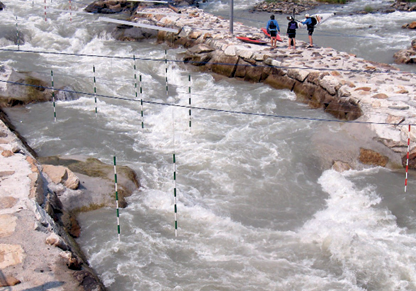
At the request of the Ivrea canoe club, HYDROSTADIUM carried out an assessment in early 2007. The club wished to modify the end section of the whitewater course to make it more attractive and...
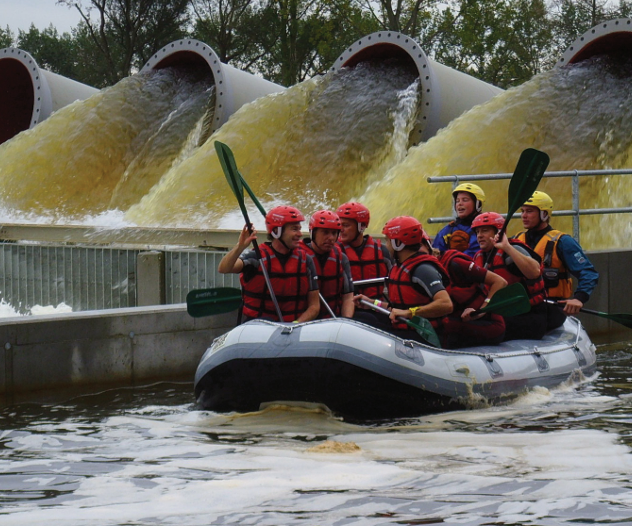
The Zoetermeer whitewater stadium is the first whitewater stadium built in the Benelux. The project’s location near the cities of The Hague, Amsterdam and Rotterdam is a guarantee of its...
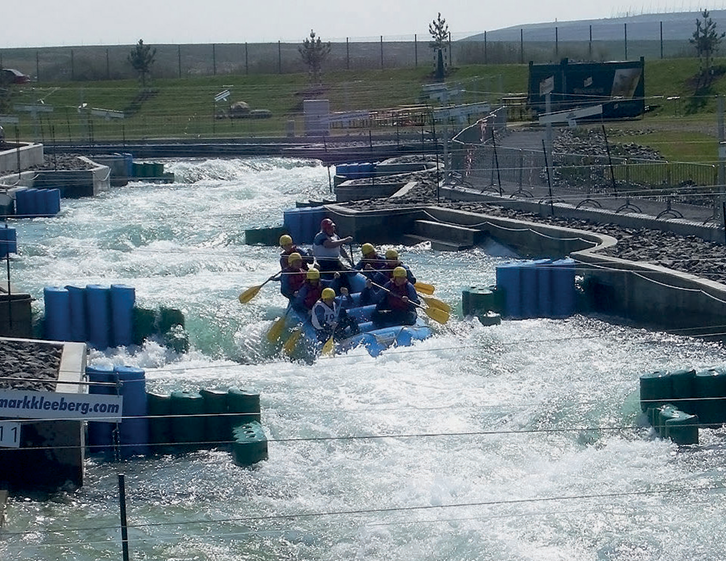
In 2005, the city of Markkleeberg began construction of a whitewater course comprising two channels: one dedicated to competition and the other reserved for training, while recreational activities...
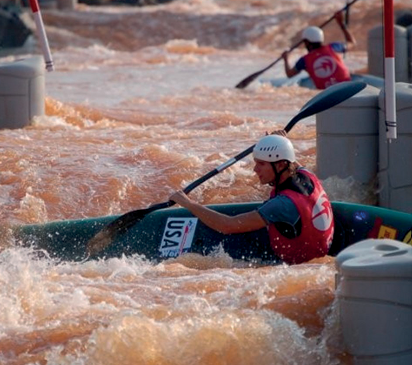
Hydrostadium equipped the whitewater stadium with an Omniflots® movable obstacle system. This whitewater stadium is the national training centre for the USA.
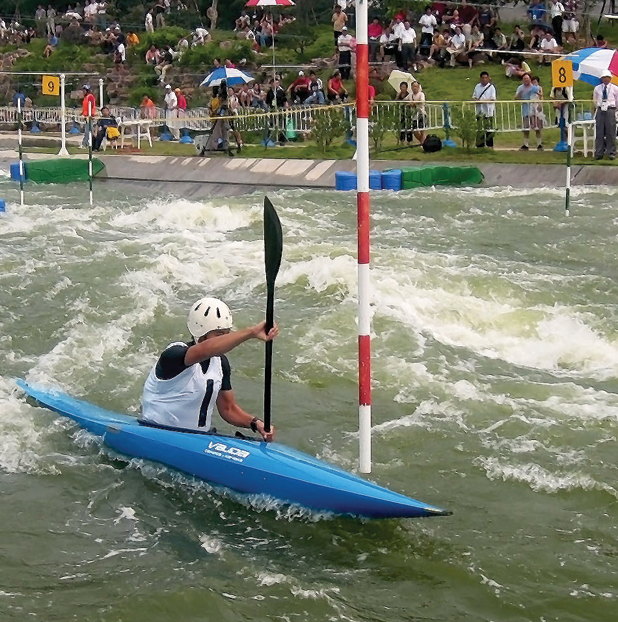
China decided to entrust Hydrostadium with the construction of the canoe-kayak course for the competitions held as part of the 10thesGames of the Republic of China.
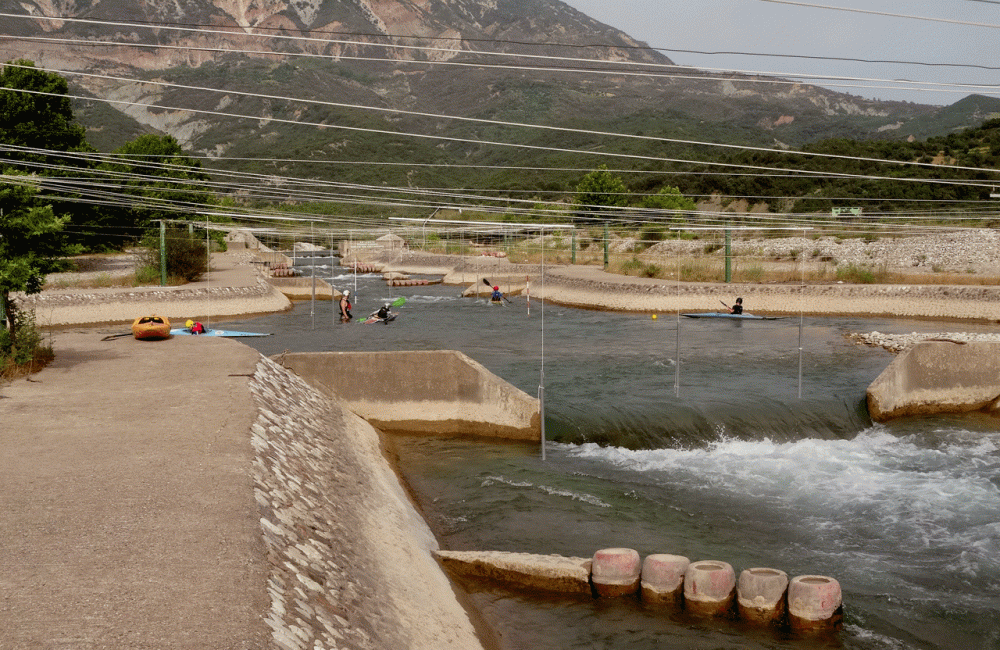
The Evinos whitewater stadium was built for tourism and sport, enabling the organization of canoe-kayak training sessions and competitions. Part of the course is equipped with Omniflot®...
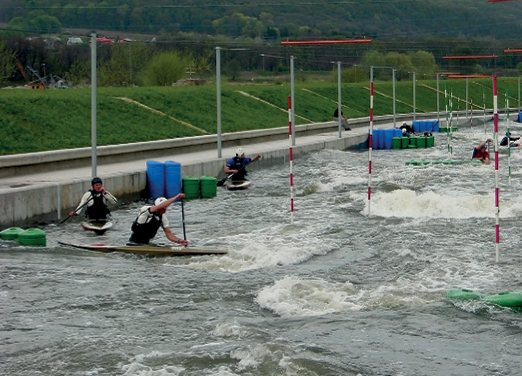
The Klaxom-Kolna whitewater course is located on the southern bank of the Vistula River and is supplied by a nearby dam.
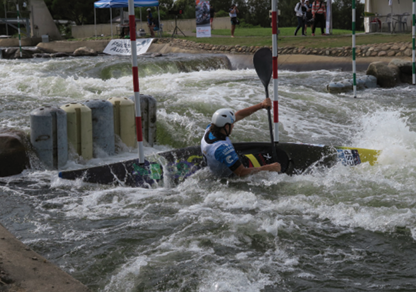
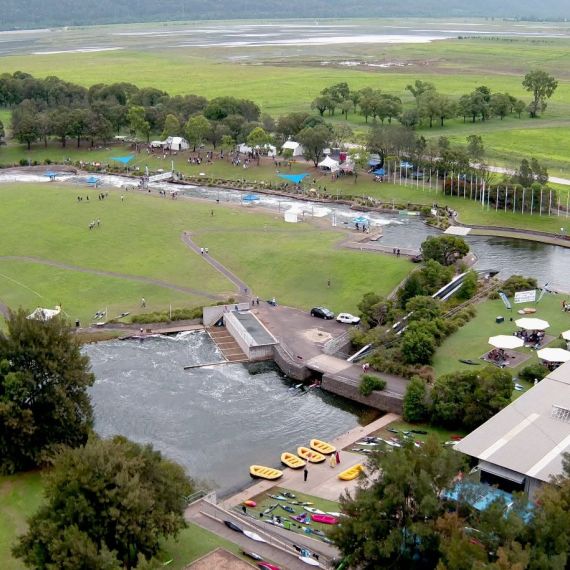
The Sydney whitewater stadium uses water from former gravel pit lakes. The whitewater course is supplied by a pumping station.
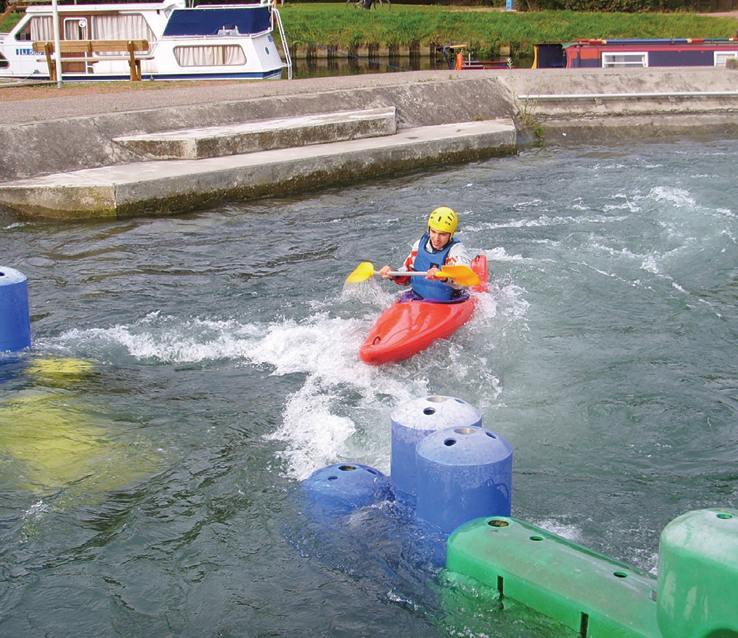
The Saint-Laurent-Blangy whitewater stadium is distinguished by the use of a pumping station in addition to gravity-fed water. This structure thereby ensures optimal operation of the facility. The...